
Alright – so today we’ve got the honor of introducing you to John Zagi Jones. We think you’ll enjoy our conversation, we’ve shared it below.
John Zagi, appreciate you joining us today. If you could go back in time do you wish you had started your business sooner or later
I started my business at exactly the right time—not a moment sooner or later. By the time I launched commercially, I’d already spent years on the frontier of autonomous flight, racing FPV drones with the Philly Quad Squad when most people still thought of them as toys. I wasn’t just flying—I was mastering precision control, understanding flight dynamics at an intuitive level, and seeing the potential for what these systems could become.
If I’d started earlier, the infrastructure didn’t exist. There was no FAA Part 107, no regulatory framework, no commercial market that understood the value of professional drone operations. I would have been shouting into the void. But I also wouldn’t have had the depth I needed. My years in STEM education and robotics coaching—leading middle school teams to championship-level competition in autonomous systems—gave me something most pilots don’t have: a deep understanding of how intelligent machines actually work, how to teach complex systems thinking, and how to push technology beyond its perceived limits.
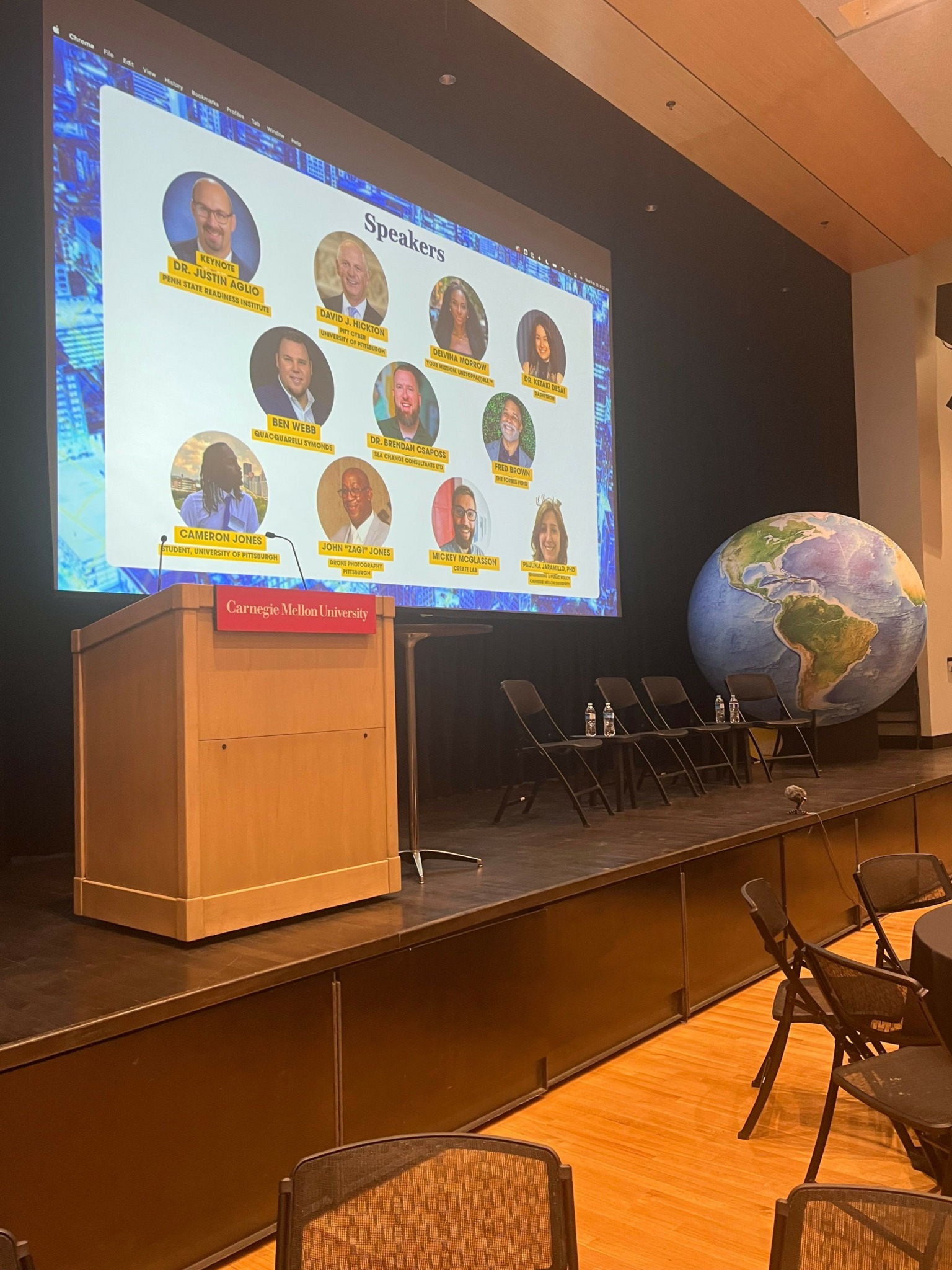
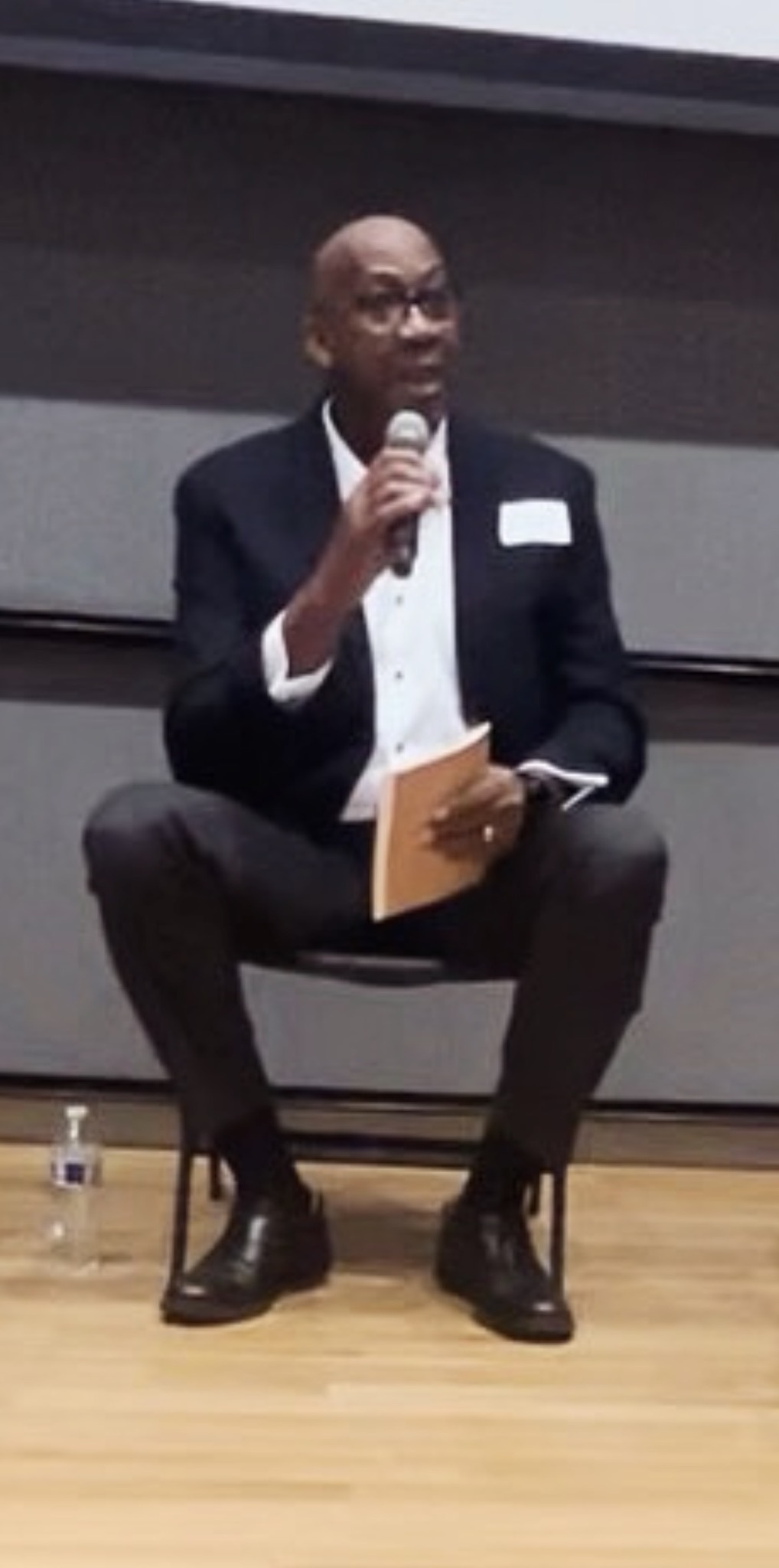
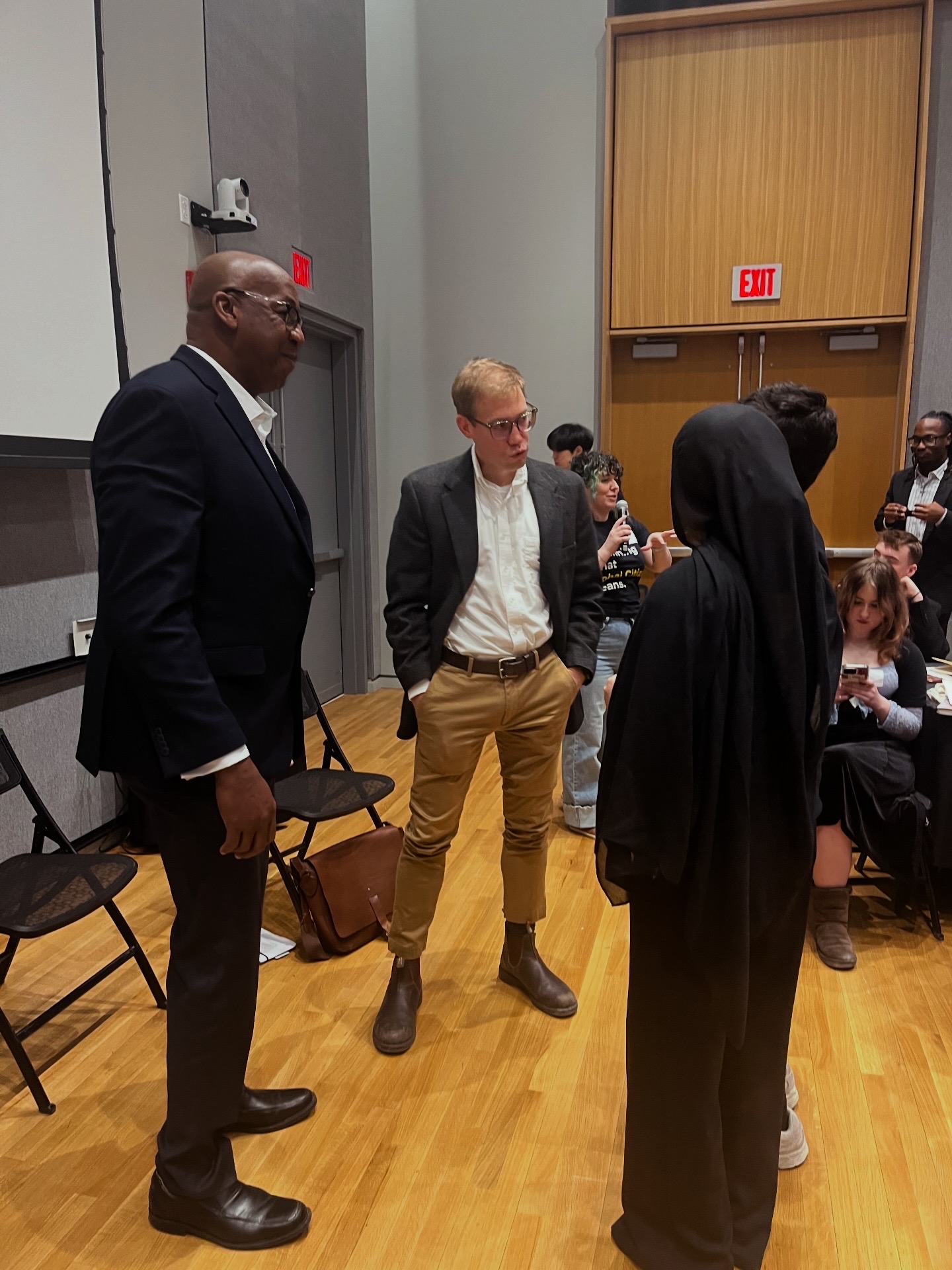
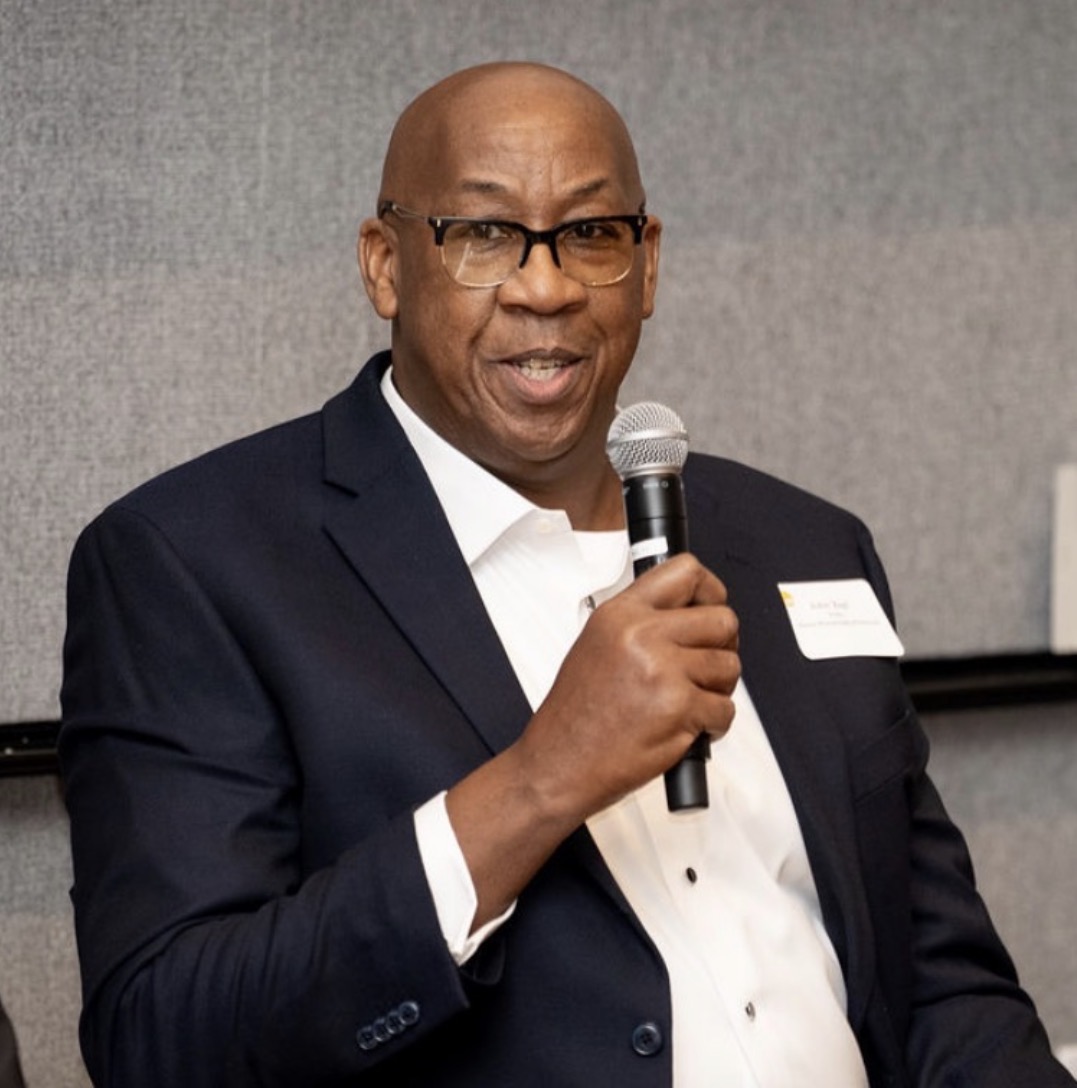
Starting later would have meant entering a saturated market as a follower, not a pioneer. By the time I formalized my business, I was already established—years of flight experience, a proven track record in education and autonomous robotics, and a vision for where this technology was heading. That positioned me to work on projects that matter: precision aerial cinematography, autonomous flight R&D, and speaking at venues like ‘The AI Effect’ Conference 2026 at Carnegie Mellon University (CMU), sponsored by the World Affairs Institute and Rotary districts, where I presented on the present and future of AI-powered autonomous systems and their ethics.
The timing was perfect because it allowed me to be both practitioner and visionary. I wasn’t just building a service business—I was positioning myself at the intersection of robotics, AI, and autonomous flight, architecting systems that don’t just follow commands but think and adapt. That’s not something you can do if you start too early or too late. You have to be there at the inflection point, and that’s exactly where I was.
Awesome – so before we get into the rest of our questions, can you briefly introduce yourself to our readers.
I’m John Zagi Jones—and I’ve spent over the past decade at the leading edge of autonomous systems, from racing FPV drones with the Philly Quad Squad when the technology was still experimental, to speaking at Carnegie Mellon University’s ‘The AI Effect’ conference in 2026 about the future of AI-powered flight and AI ethics and human responsibility. I’m an FAA Part 107-licensed pilot, STEM educator, keynote speaker, and technologist building the next generation of intelligent autonomous systems.
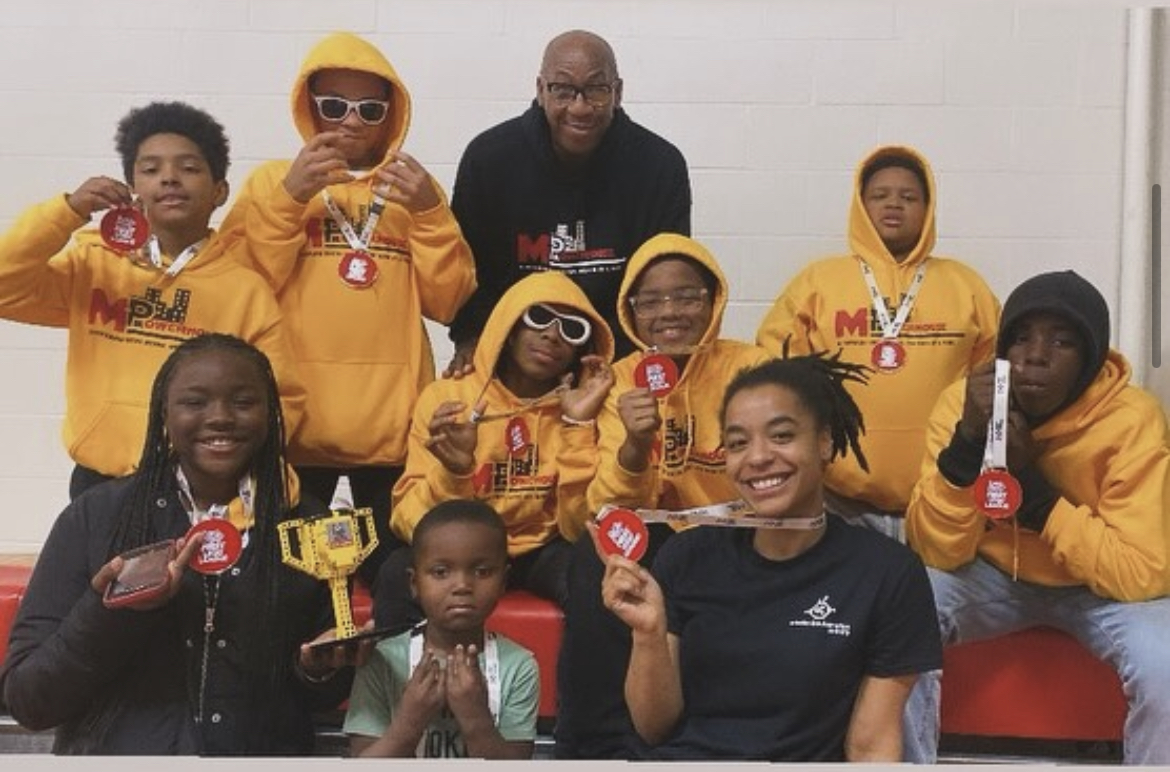
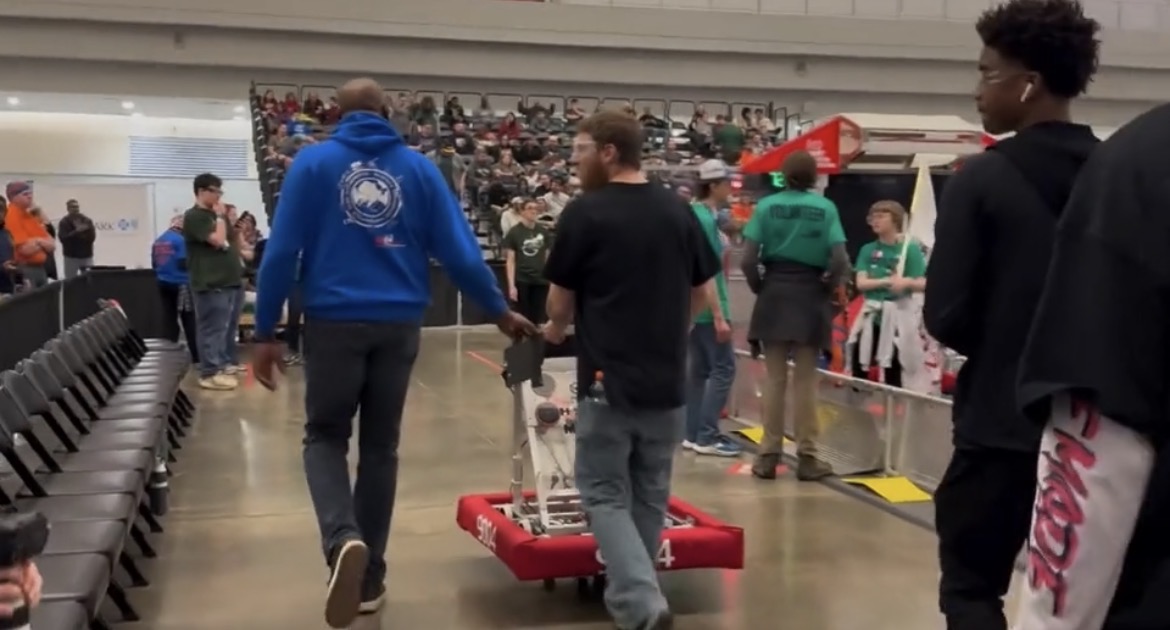
I didn’t get into drones because they were trendy—I got in when they were unproven, unregulated, and dismissed as toys. I saw autonomous flight as the frontier of robotics, and I’ve been pushing that boundary ever since. My foundation came through STEM education, coaching robotics at University Prep Milliones and leading middle school teams to championship-level competition in First Lego League. That work taught me something critical: autonomy isn’t just about hardware—it’s about systems thinking, adaptive intelligence, and understanding how machines interact with complex, unpredictable environments.
That perspective shaped everything I do now. I don’t just fly drones—I architect solutions. My work spans high-precision aerial cinematography, autonomous flight consulting, and R&D on AI-powered systems that go beyond remote operation. I work with clients who need more than pretty pictures from the sky—they need data, precision, and someone who understands the science behind what’s possible. Whether it’s surveying construction sites with centimeter-level accuracy, capturing cinematic footage that tells a story, or consulting on cutting-edge autonomous technologies, I bring technical depth that most operators simply don’t have.
What sets me apart is that I operate at multiple levels. I’m a practitioner with 15+ years of hands-on flight experience. I’m an educator who can break down complex concepts for anyone—from middle schoolers learning robotics to corporate clients navigating the future of autonomous operations. And I’m a thought leader shaping the conversation about where this technology is headed. At CMU’s ‘The AI Effect,’ I challenged the audience to rethink autonomy—not as programmed flight paths, but as adaptive intelligence that responds to real-world variables in real time. That’s the future I’m building.
I’m most proud of two things: the impact I’ve had on the next generation of technologists, and the work I’m doing to redefine what autonomous systems can achieve. Watching students I’ve coached go on to pursue STEM careers, seeing them realize they can build machines that think and move on their own—that’s legacy. And in the professional world, I’m proud to be recognized not just as a skilled pilot, but as someone architecting the future of AI-powered drone systems—machines that don’t just follow commands but adapt, learn, and execute complex missions autonomously.
Here’s what I want people to know: I’m not here to operate drones. I’m here to build the future of autonomous flight. I’m here to solve problems that don’t have solutions yet, to push the boundaries of what intelligent machines can do, and to share that vision with audiences who are ready to think bigger. Whether you need world-class aerial cinematography, precision data for mission-critical projects, or a speaker who can articulate where AI, drones and robotics are taking us—I bring expertise, innovation and a perspective forged at the intersection of education, technology, and real-world application. That’s what Drone Photography Pittsburgh represents, and that’s what I deliver every time.
What else should we know about how you took your side hustle and scaled it up into what it is today?
Fifteen years ago, I started flying drones when they were still considered experimental technology—raw, unregulated, and largely dismissed by the mainstream. I recorded my flights, raced with the Philly Quad Squad, and posted everything on my YouTube channel. It wasn’t a business plan; it was an obsession with mastering a technology that I knew would reshape entire industries. That’s where I built the foundation—thousands of flight hours, precision control under pressure, and a deep understanding of what these systems could actually do.
The commercial work started as proof of concept. I’d film drone footage for weddings and golf courses—projects where clients wanted a perspective they couldn’t get any other way. But I wasn’t building a wedding videography business. I was demonstrating that drones could deliver real value in professional contexts, and I was learning how to translate technical capability into solutions that clients would pay for.
The first major milestone was earning my FAA Part 107 license. That wasn’t just a certification—it was the moment I transitioned from pioneer to professional. It legitimized what I’d been doing for years and opened the door to commercial projects that required certified operators: construction site surveys, precision mapping, infrastructure inspection, and high-end aerial cinematography. I wasn’t the guy with a cool hobby anymore. I was a licensed professional with a decade of experience that most newly certified pilots couldn’t match.
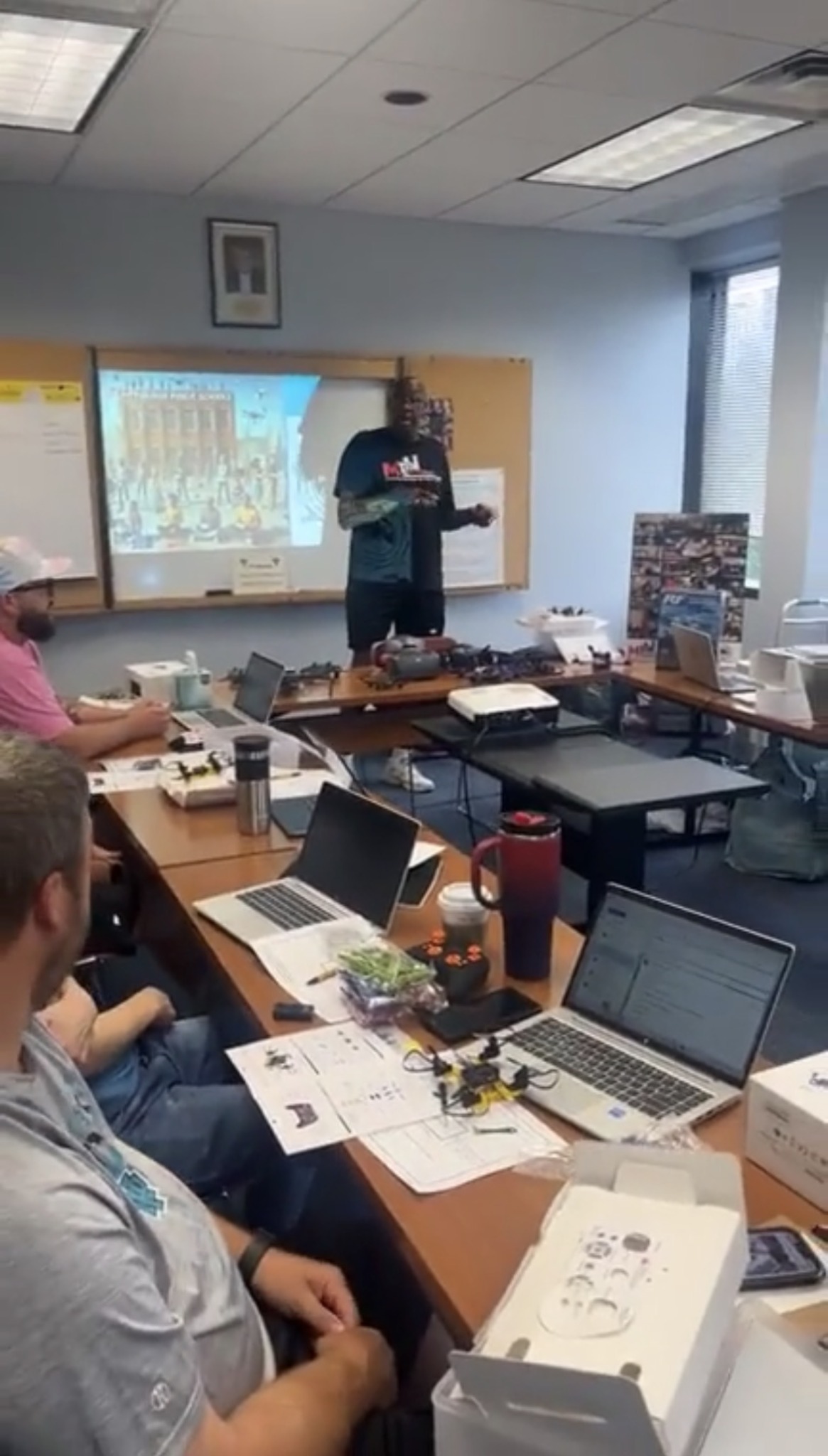
From there, the business evolved strategically. My background in STEM education and robotics coaching—leading teams to championship-level competition in autonomous systems—gave me a perspective that pure piloting skills never could. I wasn’t just capturing footage; I was consulting on autonomous flight systems, teaching others how these technologies work, and positioning myself as someone who understood where the industry was heading, not just where it had been.
The next milestone was building thought leadership. My YouTube channel evolved from flight logs into educational content that showcased real expertise—technical breakdowns, regulatory insights, and forward-looking commentary on AI and autonomy.
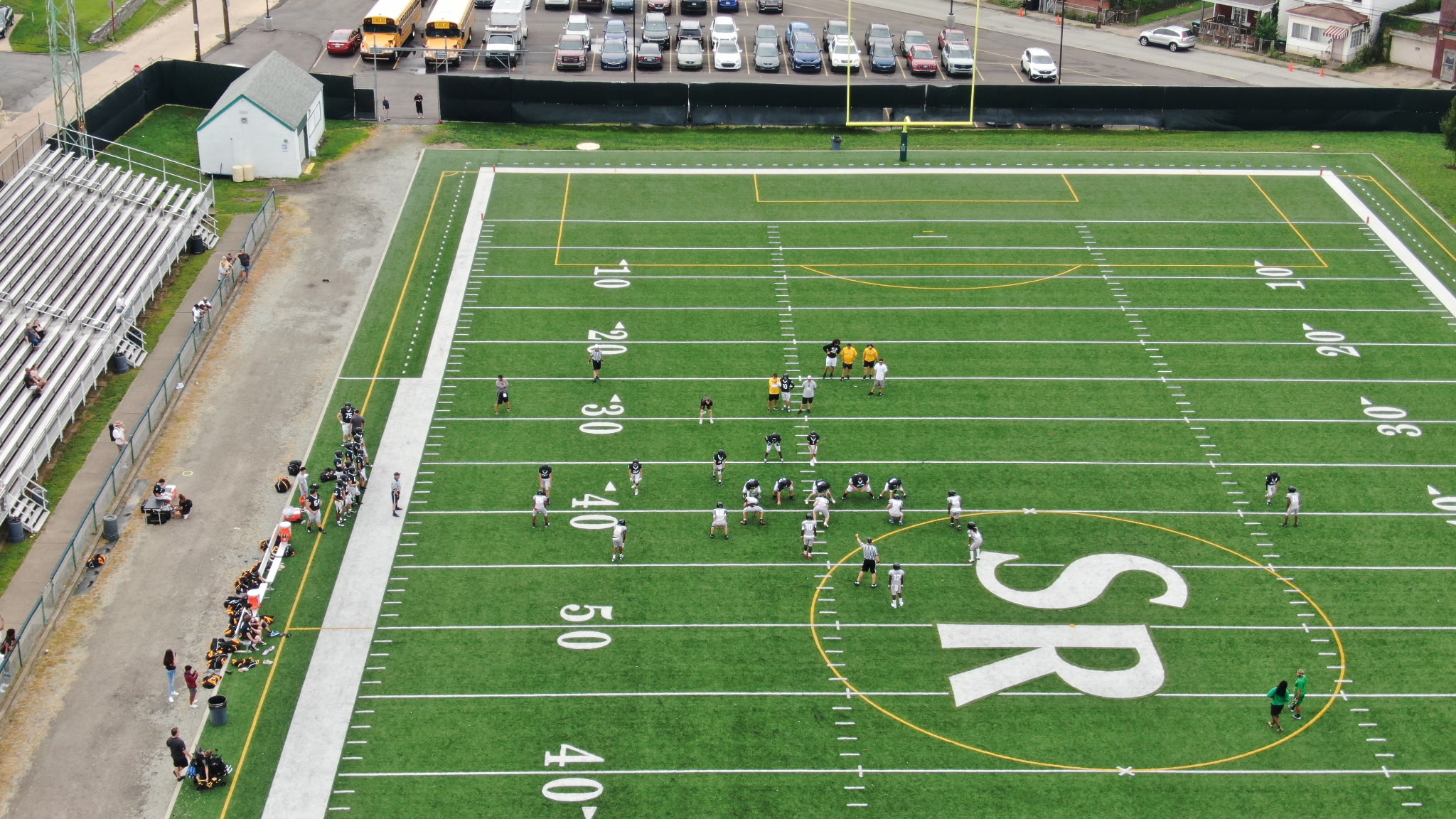
That visibility led to being a Visual Observer for Lowe’s Innovation tracking inventory as well as providing aerial photography and videography of varsity and junior varsity football games for FlyRoute—then to prominent speaking opportunities, culminating in my speaking recently at ‘The AI Effect’ Conference 2026 at CMU, where I presented on the present and future of AI-powered autonomous systems and their responsible use. That wasn’t just a speaking gig—it was validation that I belonged in the conversation with the people shaping the future of robotics and artificial intelligence.
Today, this isn’t a side hustle that scaled up—it’s a multifaceted platform. Drone Photography Pittsburgh is the commercial brand, but the work goes far beyond aerial photography. I’m consulting on autonomous flight R&D, speaking at elite tech conferences, and architecting AI-powered drone systems that don’t just follow commands but think, adapt and execute complex missions autonomously. What started as racing with the Philly Quad Squad has become a career at the intersection of robotics, AI, and autonomous flight—building technology that doesn’t exist yet and sharing that vision with audiences who are ready to see what’s next.
The key milestones weren’t just business growth—they were strategic positioning. Getting my Part 107 license. Building a YouTube presence that demonstrated real expertise. Landing commercial clients who needed precision, not just pictures. Speaking at CMU. Each step reinforced that I wasn’t just running a drone service—I was establishing myself as a leader in autonomous systems, someone who operates at the highest levels of both execution and innovation. That’s the trajectory, and it’s only accelerating.
Have you ever had to pivot?
I pivoted during the pandemic—and it forced me to evolve in ways I wouldn’t have otherwise.
When the pandemic hit, the work I’d built over more than a decade evaporated overnight. Events canceled. Commercial shoots shelved. On-site projects put on indefinite hold. For someone whose business was built on being in the field, capturing aerial footage and working directly with clients, it felt like the ground had disappeared beneath me. But I didn’t see it as a setback—I saw it as a forcing function to operate differently.
If I couldn’t deliver value the way I had been, I needed to redefine how I showed up. I made a strategic decision: instead of waiting for the industry to reopen, I would use this moment to amplify my voice and expand my reach in ways that didn’t depend on physical proximity.
First, I transformed my YouTube channel from a documentation platform into an educational powerhouse. I’d always shared flight footage and racing content, but now I shifted to teaching—breaking down drone operations, FAA regulations, autonomous systems design, and the technical realities of AI-powered flight. The audience that found me during that time wasn’t looking for entertainment; they were looking for expertise. And I delivered it at a level most content creators couldn’t match.
Second, I leaned into virtual speaking and thought leadership. Conferences that would have been in-person moved online, and I positioned myself to be part of those conversations. I spoke about AI, drones, and the future of autonomous robotics in virtual forums, connecting with audiences I never would have reached otherwise. The pandemic didn’t just open digital doors—it forced the entire tech and innovation ecosystem online, and I made sure I was visible in those spaces.
Third, I deepened my R&D and consulting work. Without the constant demand of commercial shoots, I had time to focus on what I’d always been building toward: architecting AI-powered autonomous systems that go beyond remote piloting. I wasn’t just maintaining a business—I was positioning myself for the next wave of innovation.
When the world reopened, I wasn’t starting over—I was operating at a higher level. The educational content I created brought in new clients who understood the depth of what I offered. The virtual speaking engagements led to bigger stages, including my speaking at ‘The AI Effect’ Conference 2026 in February. The clients who came back saw someone who hadn’t just survived the disruption but had used it to become more relevant, more visible, and more forward-thinking.
The pivot wasn’t just about adaptation—it was about acceleration. The pandemic stripped away the noise and forced me to focus on what actually mattered: expertise, vision, and positioning myself not as a service provider, but as a leader in autonomous systems. That shift didn’t just save my business—it elevated it. And it proved something I’d always believed: bold leaders don’t wait for conditions to improve. They redefine the game while everyone else is still trying to figure out the rules.
Contact Info:
- Instagram: www.instagram.com/
DronePhotographyPittsburgh - Linkedin: linkedin.com/in/JohnZagiJones
- Youtube: https://youtube.com/user/DronePhotographyPgh